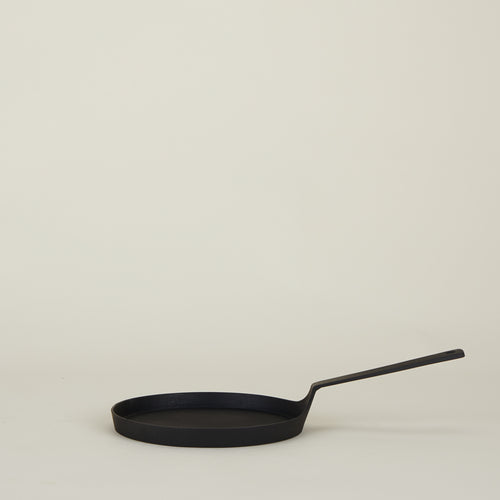
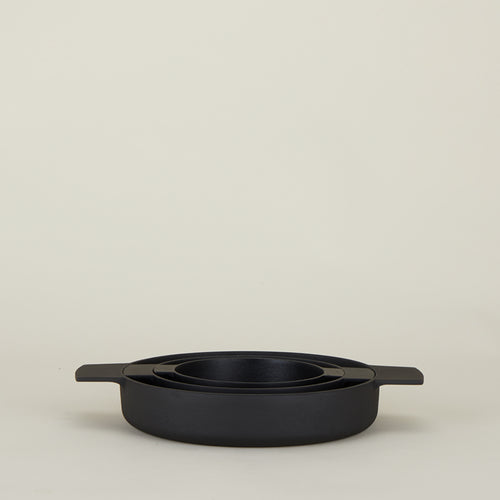
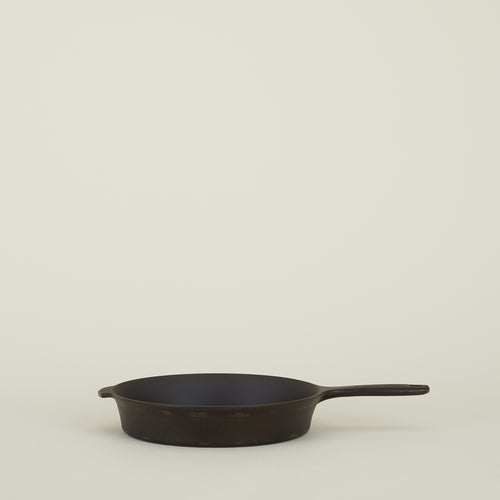
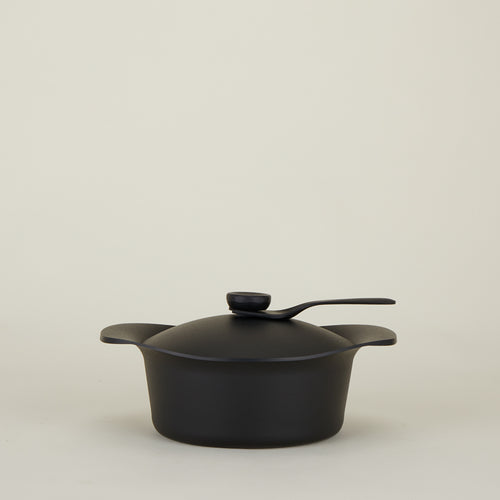
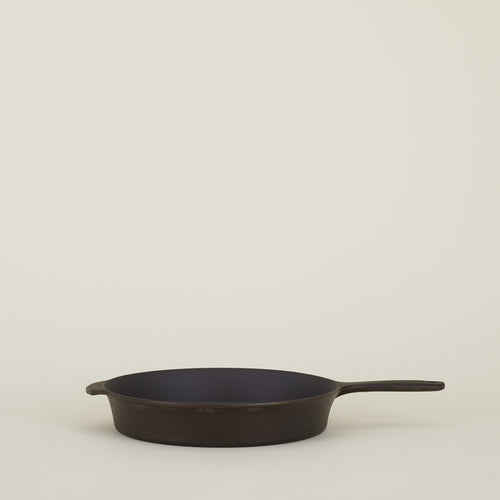
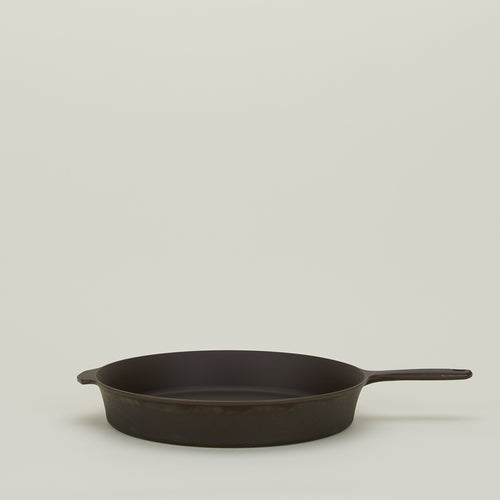
If you could only keep one pan in your kitchen, it should probably be a cast iron skillet. Not because it's trendy (though it is), and not because it looks good sitting on the stove (though it does). A cast iron skillet earns its place because it does everything, lasts forever, and only gets better with age. Here's why cast iron cookware might just be the most valuable player in your kitchen lineup.

1. Cast Iron Goes Easily From Stovetop to Oven
Unlike most pans that can't handle high oven temps, cast iron skillets are oven-safe up to 500°F or higher. That means you can sear a steak on the stovetop, then slide the whole pan into the oven to finish. No transferring to a baking dish, no extra cleanup, no fuss.
Our favorite things to make? Skillet cornbread, frittatas, roasted chicken thighs, Dutch baby pancakes, baked pasta, upside-down cakes. Basically anything that benefits from even heat and a crispy edge.
Why it works: Cast iron retains and distributes heat evenly, so your food cooks consistently from edge to center. The heavy construction means it doesn't warp under high heat like thinner pans.
2. It's Naturally Non-Stick
A well-seasoned cast iron skillet develops a natural non-stick surface over time. Eggs slide right out, pancakes flip cleanly, and nothing sticks if you treat it right. That said, you have to know how to season it right. To start, rub a thin layer of cast iron seasoning oil all over the pan (inside and out), then bake it upside down in a 450°F oven for an hour before letting it cool completely. Repeat a few times when you first get the pan, then maintain the seasoning by cooking with fat regularly.
Why it works: Each time you cook with oil or fat, you're adding to the seasoning. The more you use it, the better it gets. It's the opposite of most cookware that degrades over time.

3. Cast Iron Lasts a Lifetime
Cast iron skillets don't wear out. They don't scratch, chip, or lose their finish. A well-maintained cast iron pan can last decades.
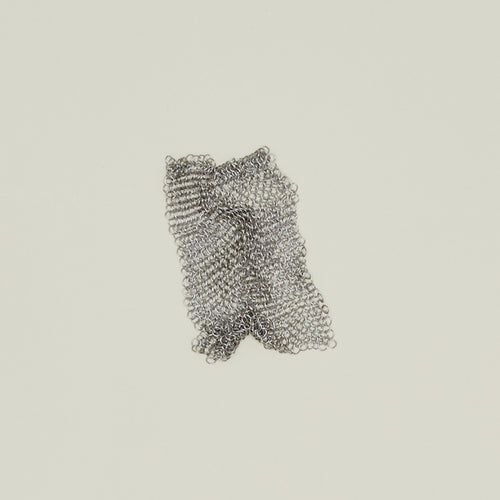
How to care for cast iron: Clean it with hot water and a chain mail scrubber or stiff brush (no soap needed for regular cleaning). Dry it completely, then rub a thin layer of oil on the surface to prevent rust before storing it in a dry place.
Why it works: Cast iron is incredibly durable. Even if it rusts or gets neglected, you can restore it with a little elbow grease and re-seasoning. It's almost impossible to ruin permanently.
4. It's the Best Tool for a Perfect Sear
Cast iron gets scorching hot and stays that way, which is exactly what you need for a restaurant-quality sear on steaks, pork chops, or fish. The heavy pan retains heat even when you add cold ingredients, so your protein gets a crispy, caramelized crust instead of steaming in its own juices.
Why it works: High, even heat means better browning. Cast iron doesn't have hot spots, so every inch of your steak gets the same treatment.
5. Cast Iron Cookware Works on Any Heat Source
Gas stove, electric, induction, campfire, grill: cast iron works on all of it. You can even use it over an open flame while camping. It's the most versatile cookware material out there.
Why it works: The heavy, magnetic construction makes it compatible with induction cooktops, and the solid build means it can handle direct flame without damage.

6. It's Multi-Functional in Ways You Wouldn't Expect
Beyond cooking, a cast iron skillet can press sandwiches, toast spices, bake bread, roast vegetables, make pizza, and even serve as a makeshift griddle for pancakes or quesadillas. It's the kind of tool that makes you rethink what a single pan can do.
Unexpected uses:
-
Toast nuts and seeds evenly
-
Bake skillet cookies or brownies
-
Roast a whole chicken
-
Make deep-dish pizza
Why it works: The even heat distribution and oven-safe design make it more versatile than almost any other pan in your kitchen.
7. It’s Simple to Clean
Cast iron has a reputation for being high-maintenance, but it's actually pretty forgiving. Here's the routine:
-
Clean it while it's still warm. Use hot water and a stiff brush or chain mail scrubber to remove stuck-on food. Avoid soap for daily cleaning (though a little soap won't ruin it if you need it).
-
Dry it completely. Rust is cast iron's only real enemy. Towel dry, then place it on the stove over low heat for a minute to evaporate any remaining moisture.
-
Oil it lightly. Rub a thin layer of oil (vegetable, canola, or flaxseed) all over the cooking surface. Wipe off any excess so it doesn't get sticky.
-
Store it in a dry place. If you're stacking pans, place a paper towel or cloth between them to protect the seasoning.
If it rusts: Scrub off the rust with steel wool, re-season the pan, and keep cooking. It's not ruined, just needs a little TLC.
A cast iron skillet isn't just cookware, it's an investment in how you cook. It's versatile, durable, affordable, and gets better the more you use it. Whether you're searing steaks, baking cornbread, or making a one-pan dinner, cast iron handles it all without complaint.
So if you've been on the fence about adding one to your kitchen, this is your sign. Get a skillet, season it properly, and start cooking. Your future self (and your dinners) will thank you.